How Teletherapy Is Helping Families in Speech Therapy Deserts
For some families, finding speech therapy is not as simple as making an appointment and driving across town. In some communities, there are limited options or sometimes even no options for speech therapy nearby, and at times, the only speech therapy clinics have long waitlists.
These areas where families struggle to find speech therapy services are often referred to as speech therapy deserts, and over the past several years, teletherapy has become one of the most effective ways to bridge that gap. Virtual speech therapy providers, like Great Speech, connect those who need it with licensed speech-language pathologists (SLPs) regardless of where they live.
Teletherapy is not only convenient, but it also ensures that people who may have otherwise been forced to go without speech therapy services get the help they need and deserve. Book an Appointment to get started today!
What is a Speech Therapy Desert?
A speech therapy desert is any area where access to speech therapy services is limited or unavailable. These areas are often found in rural communities, smaller towns, underserved urban neighborhoods, and school districts experiencing SLP staff shortages.
Sometimes families face challenges such as:
- Waiting many months for a speech evaluation
- Driving multiple hours to attend speech therapy appointments
- Having to choose the SLP that is close, not necessarily the one that is the most qualified
- Frequent speech therapist turnover where they live
- Their child is in a school district that is struggling to fill open SLP positions
Communication difficulties can get worse as children wait for speech therapy services, and early intervention yields the greatest improvements. Because of this, families can not and should not wait for an opening.
Why Access to Speech Therapy Matters
Communication impacts nearly every part of daily life. Children use their speech and language skills to learn in school, build friendships, express their needs, and socialize with friends and family. When access to speech therapy is not available or delayed, progress is also delayed.
Some families need to spend hours traveling to speech therapy appointments each week, and others join long waitlists and hope that an opening becomes available before it’s “too late”. In some cases, there may not be any speech therapy clinics within a reasonable distance. Sometimes mobility challenges with the child or parent make leaving home for speech therapy difficult. These reasons all show the need for teletherapy.
How Does Teletherapy Work?
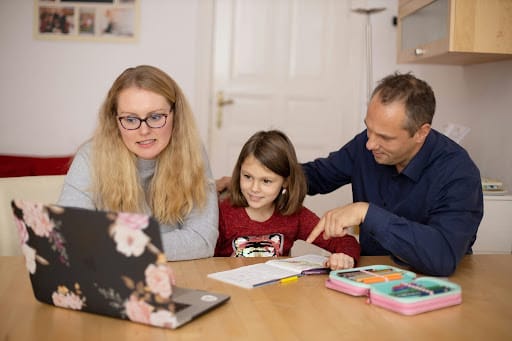
Teletherapy (also referred to as telepractice) allows speech-language pathologists to provide their services remotely using secure video technology. They can complete evaluations, treatment, family/caregiver coaching, and progress monitoring virtually.
Teletherapy removes the need to travel to a speech therapy clinic, as people can connect with their SLP using a computer, phone, or tablet that is connected to the internet. This simple shift removes some of the biggest barriers to care for many families.
If you find yourself wondering how effective virtual speech therapy is, we have a blog on this topic: How Effective Is Virtual Speech Therapy?
Teletherapy Reaches Families Who Previously Did Not Have Access to Speech Therapy
One of the biggest advantages of teletherapy is its ability to connect therapists with families regardless of their geographical location. A child who lives in a small rural community may not have a speech-language pathologist nearby, but through teletherapy, that same child can work with a qualified SLP hundreds of miles away without even having to leave their home.
Teletherapy is particularly important in regions where recruiting and retaining speech therapists is difficult. Schools, clinics, and healthcare facilities can use teletherapy to fill those service gaps and ensure that students and patients can always receive the support that they deserve.
Reducing Travel Burdens for Families
Anyone who has had to drive an hour or more to attend a weekly appointment understands how quickly travel can become overwhelming. For families with multiple children, demanding work schedules, or limited options for transportation can make attending sessions outside of the home on a regular basis stressful. Teletherapy helps to eliminate many of those logistical challenges.
Families can log into sessions from home instead of spending valuable time commuting. Parents often find it easier to schedule sessions that fit their schedules. The flexibility that virtual speech therapy brings often makes it easier to attend sessions consistently, which is a very important factor in successful therapy outcomes.
How Does Teletherapy Support Schools Facing SLP Shortages?
Many school districts across North America face shortages of speech-language pathologists. Positions remain vacant, and students often experience delays in service, and existing SLPs have increased caseloads. Teletherapy has become an important tool for helping schools address these challenges.
Teletherapy makes speech therapy more accessible and flexible within the school setting and helps school districts manage the staffing shortage. Virtual speech therapists can provide services directly to students, collaborate with educators, participate in meetings, and connect with families, all while working remotely. This allows students to receive help a lot sooner than if they waited for an in-person position to be filled.
Parent and Caregiver Involvement
Another benefit of teletherapy is how naturally parents and caregivers become involved in the speech therapy process. Oftentimes, parents spend a lot of the time for in-person speech therapy sessions in the waiting room. With virtual speech therapy, they frequently have opportunities to observe strategies, ask questions, and learn techniques to help their child outside of the session times.
Teletherapy naturally builds a relationship between the SLP and the parent, and the collaboration can help reinforce speech and language goals outside of speech therapy sessions. Parental involvement is a valuable part of successful teletherapy because families can more easily incorporate communication strategies into their child's everyday routines at home.
Teletherapy with Great Speech
No one, regardless of their age, should have to go without speech therapy simply because of where they live. Teletherapy is helping close that gap by bringing high-quality speech and language services directly into homes, schools, and communities that lack access to speech therapy services or those that do not have enough speech therapy staff to handle the caseload.
At Great Speech, virtual speech therapy helps make expert support more accessible, flexible, convenient, and affordable for families navigating communication challenges. Whether a family lives in a major city, a small rural town, or somewhere in between, teleherapy can provide a successful pathway to regular speech and language services when they need it the most. Our Speech Therapy services are also covered by most major insurance providers. Great Speech is proud to be in-network with leading insurance plans like AllWell, Ambetter Health, Humana Military, Amerigroup, Cigna, Aetna, Curative, Centivo, UHC (some states), Blue Cross Blue Shield of Illinois, Priority Health & more!. Visit our insurance page to find out more, or schedule your free introductory call today.